




How the Browser Delivers Malware: Drive-Bys, Bad Ads, and Fake Installers
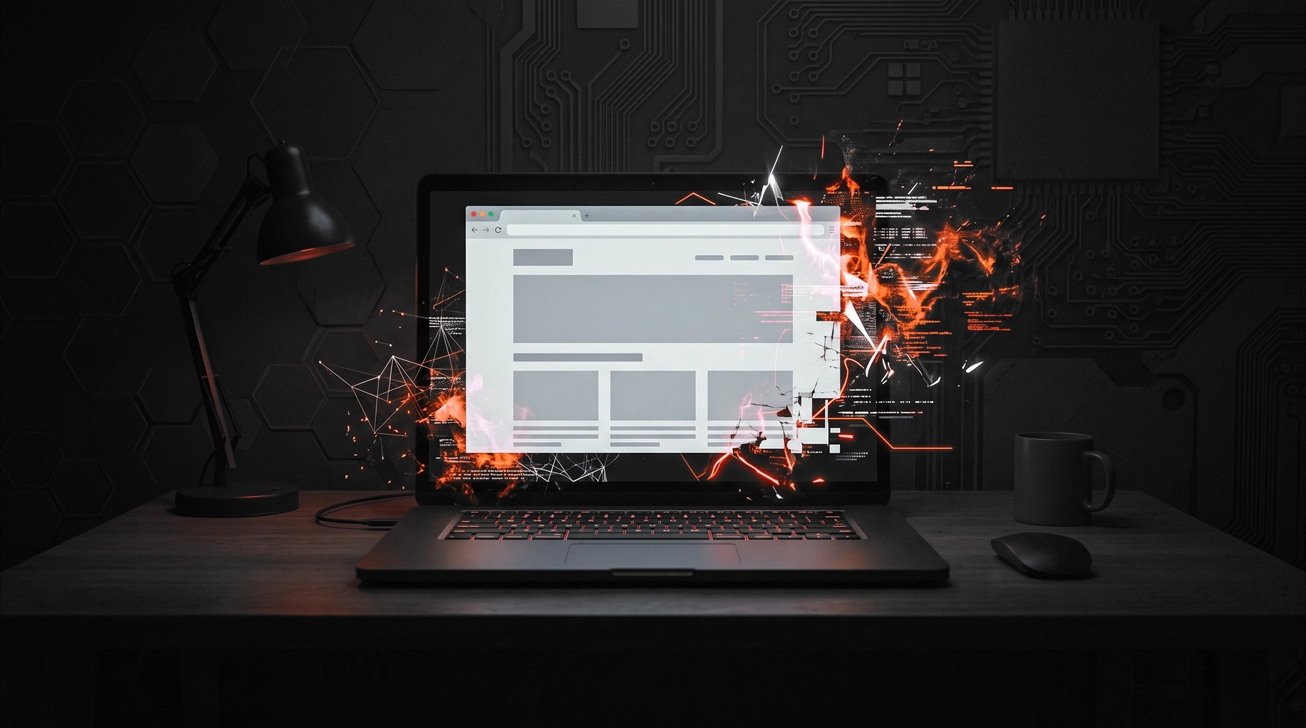
Browser-delivered malware rides on search ads, fake update prompts, and spoofed pages. The user starts every step, which is exactly why perimeter tools miss it.
Browser-delivered malware rides on search ads, fake update prompts, and spoofed pages. The user starts every step, which is exactly why perimeter tools miss it.

The browser is the most used app in your workplace and one of the least governed. That imbalance has consequences worth taking seriously.
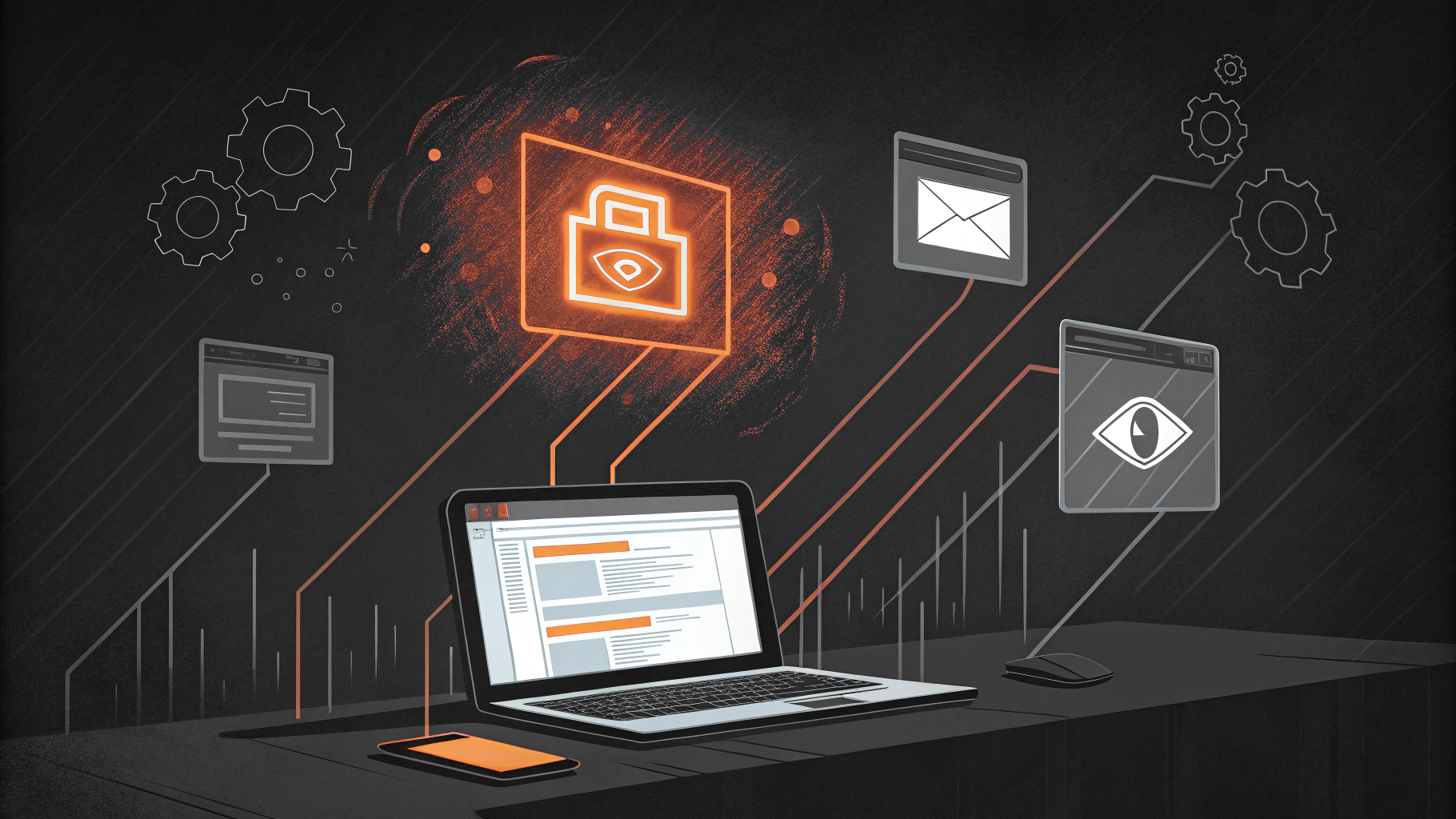
A seven-year malware campaign turned trusted browser extensions into spyware, affecting 4.3 million. WeTab and other extensions remain active in Edge's store.

Hotels worldwide face PureRAT infections via fake Booking.com emails. The result is stolen credentials and scams against real guests.

A malware infection led to stolen Slack credentials at Nikkei, exposing 17,368 users. The breach underscores growing credential theft threats in 2025.

TA585 launches MonsterV2 malware, capable of live transaction tampering via browser injection. Just-in-time privilege controls help limit damage.

Zero-day exploits hit before defenders even know what to look for. See why managing user privileges is your best chance to limit real-world damage.

Dior joins a wave of retail brands hit by cyberattacks. While financial data was safe, exposed shopping histories raise major phishing risks.
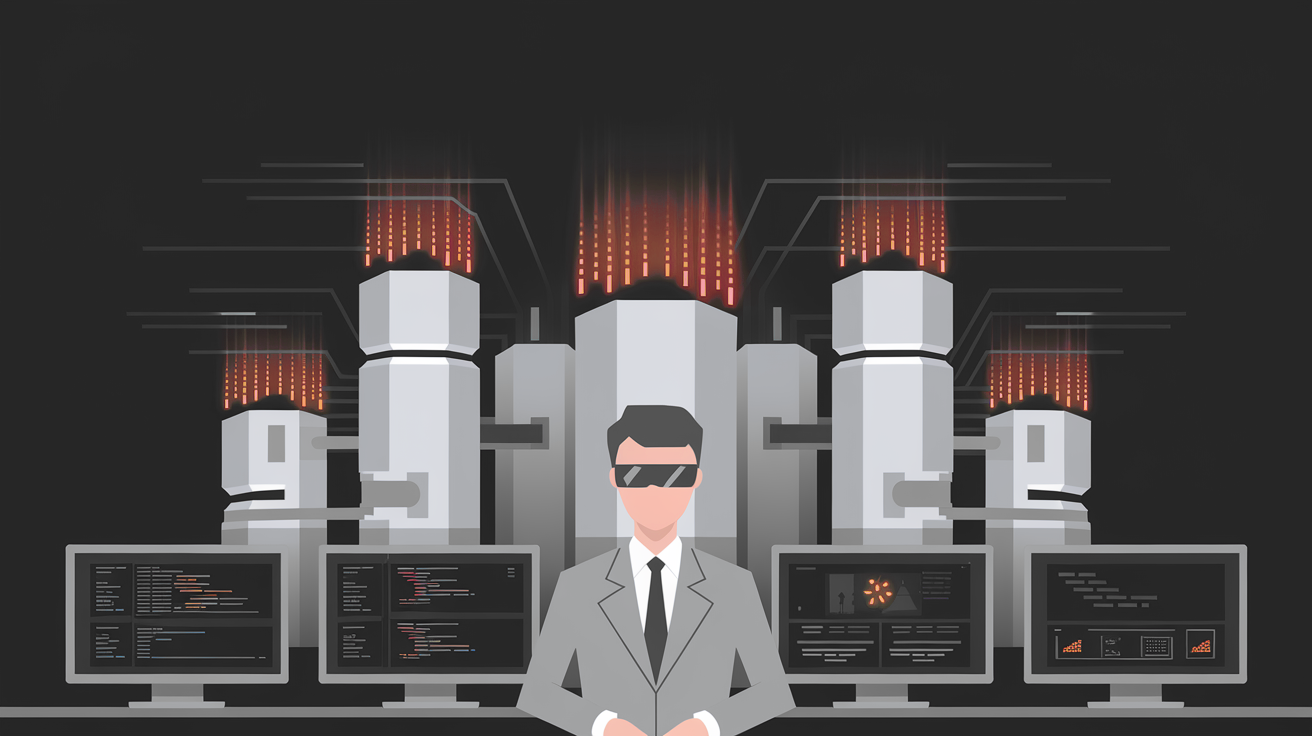
Learn how an advanced persistent threat (APT) works, why it's so dangerous to organizations, and what steps can help detect and respond before damage is done.

Spot these social engineering indicators before you get tricked. Discover 10 red flags attackers use to manipulate your actions and access sensitive data.