
How Attackers Turn Your Remote Management Tools Against You
RMM abuse turns into ransomware fast because these tools run with high privilege. An attacker who controls one skips the slow work of escalating on their own.

RMM abuse turns into ransomware fast because these tools run with high privilege. An attacker who controls one skips the slow work of escalating on their own.

Attackers often call the help desk instead of breaching it, talking agents into resets and MFA changes. Least privilege for support staff limits the damage.
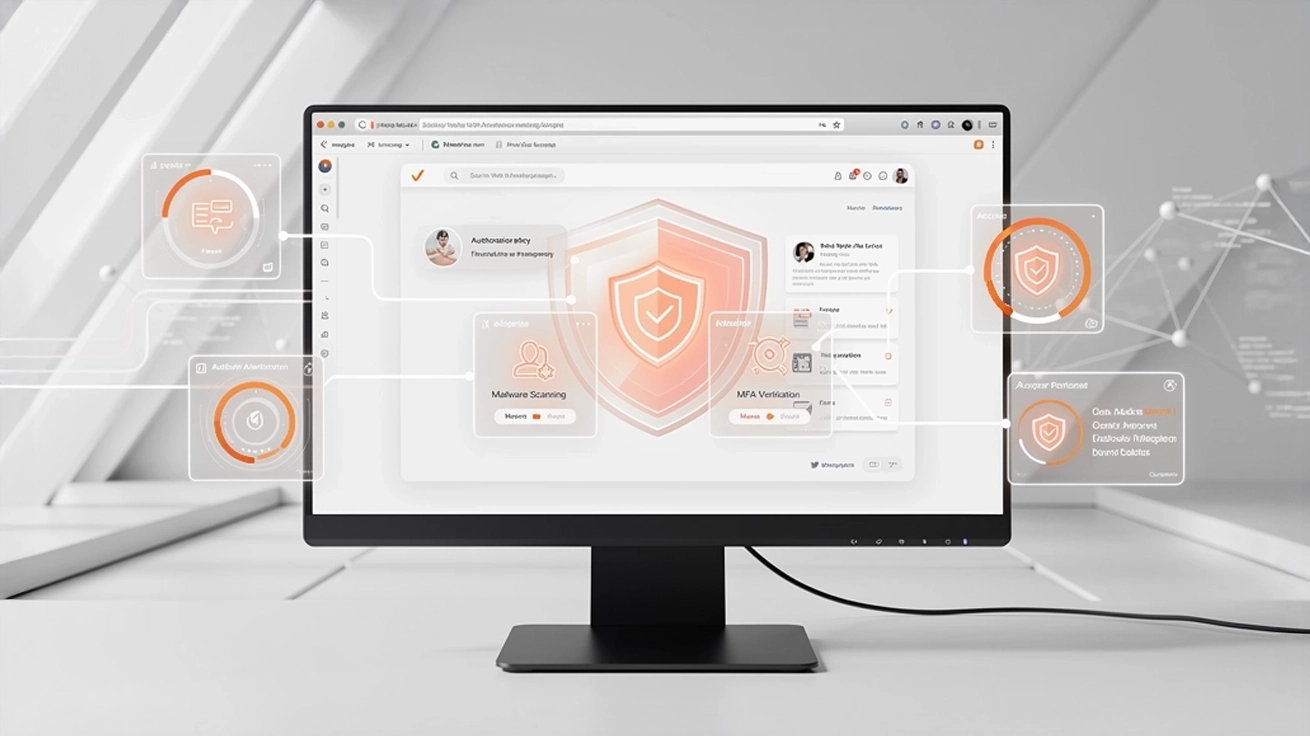
Web Access Management gives security teams a policy mechanism for what users download and from where, plus a full audit trail of every decision and action.

Over-provisioning at onboarding and accounts that outlive the contract are two failures temporary staff create. Both leave privileged access open to attackers.

Living off the land hides inside trusted binaries no scanner flags as bad. Removing standing local admin rights shrinks what an abused tool can reach.

AI coding assistants are reshaping developer endpoints in ways most threat models miss. The developer isn't the only agent making decisions at the keyboard.

April 2026 Patch Tuesday is one of Microsoft's largest ever, with 57% of patches covering EoP flaws. BlueHammer is just the most high-profile of the bunch.

Third-party involvement in breaches doubled to 30% in 2025. MSPs are high-value targets where one compromised technician exposes all client environments.
Are your files actually safe in the cloud? Misconfigured permissions, weak access controls, and shadow IT create major vulnerabilities in file sharing.

Criminals now rent complete phishing platforms that mimic real login pages with precision. The real risk comes from accounts holding unnecessary administrative rights.