Refrigeration Cyberattacks Hit European Supermarkets and French Blood Banks
Supermarket fridges across Europe were pushed to 50°C by remote attackers. Many controllers sat on the open internet with factory passwords still in place.

Supermarket fridges across Europe were pushed to 50°C by remote attackers. Many controllers sat on the open internet with factory passwords still in place.
From DNS tunneling to cloud uploads, attackers move stolen data through channels you rarely watch. Small, slow transfers slip under most volume alerts.
Scattered Spider talks help desk agents into password resets and MFA changes. The same method links the TfL case to M&S, Harrods, and Jaguar Land Rover.
JadePuffer is the first ransomware attack run end to end by an AI agent, with no human operator. Its entry point was a critical flaw left unpatched for a year.
Nation-state hackers are demonstrating what AI adds to an attack. Their tactics rarely stay exclusive, which should concern businesses of every size.
Nitrogen ransomware claims 8TB stolen from Apple supplier Foxconn. Malvertising and trojanized admin tools made the early stages of the attack possible.
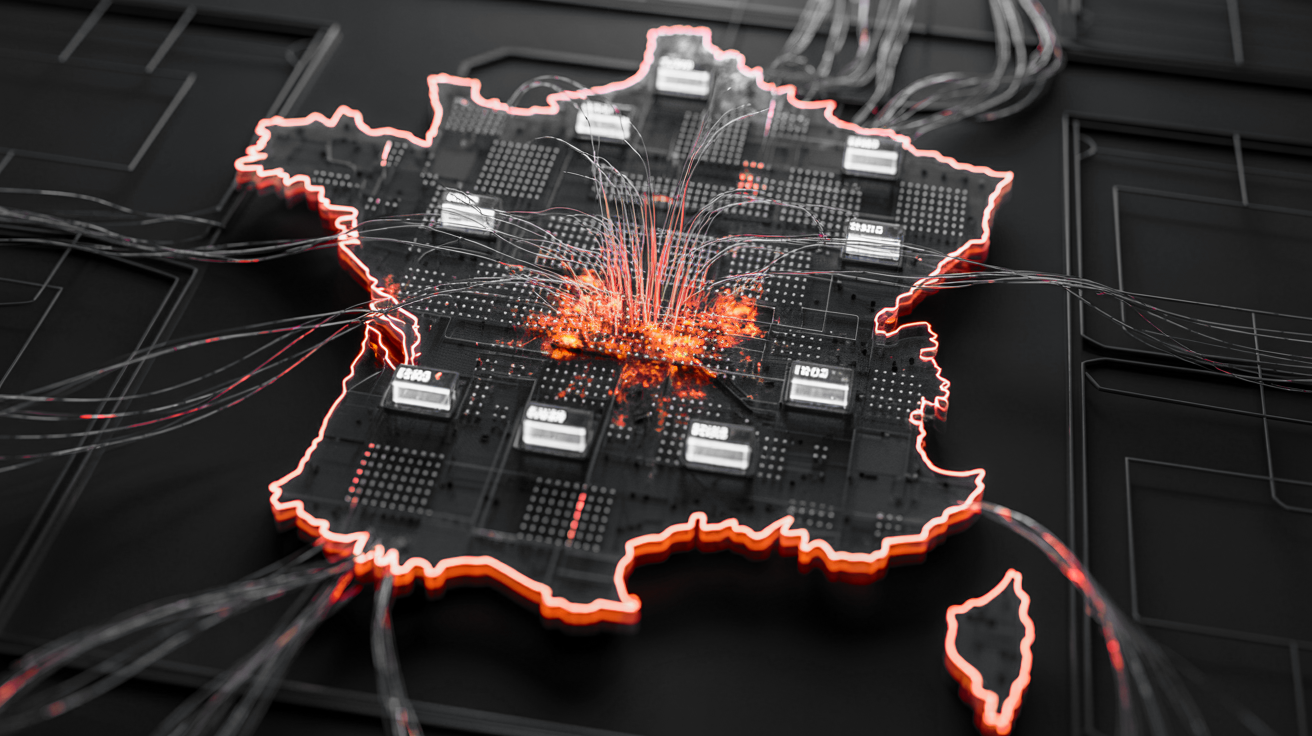
Stolen credentials gave hackers access to France's national bank account database, exposing 1.2 million accounts and enabling potential fraud.

Sicarii ransomware can't decrypt files even when victims pay the ransom. The code has fundamental flaws that make data recovery impossible.
ShinyHunters breached 100 organizations through voice phishing attacks targeting SSO credentials. The group has already leaked millions of user records online.
A seven-year malware campaign turned trusted browser extensions into spyware, affecting 4.3 million. WeTab and other extensions remain active in Edge's store.